


Our Favorite Dahlias
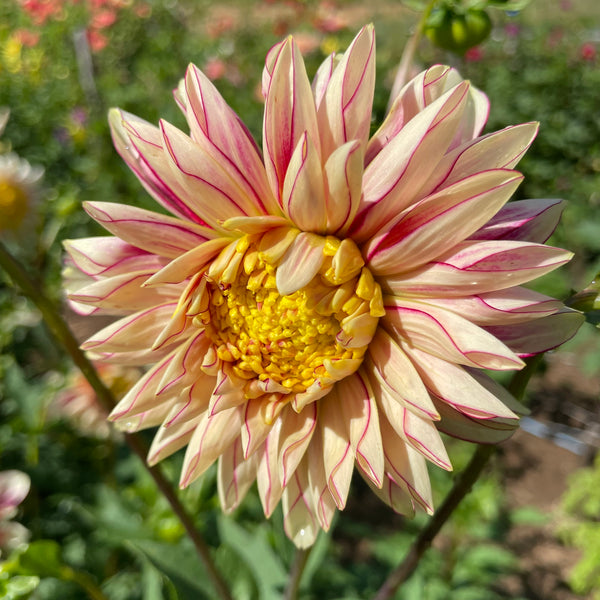
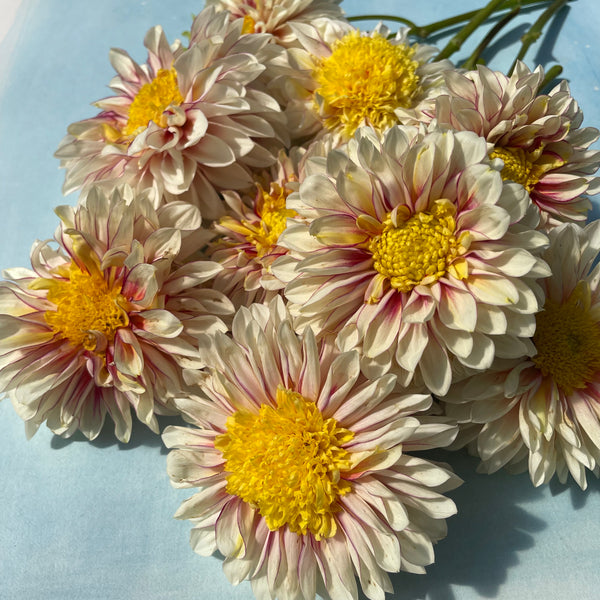
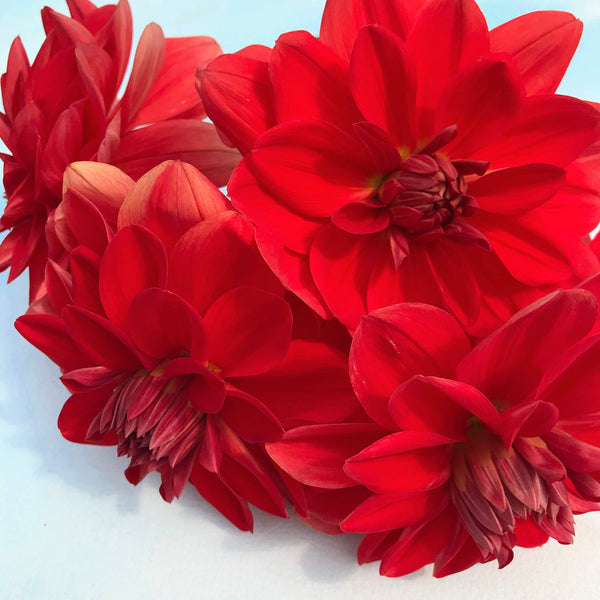
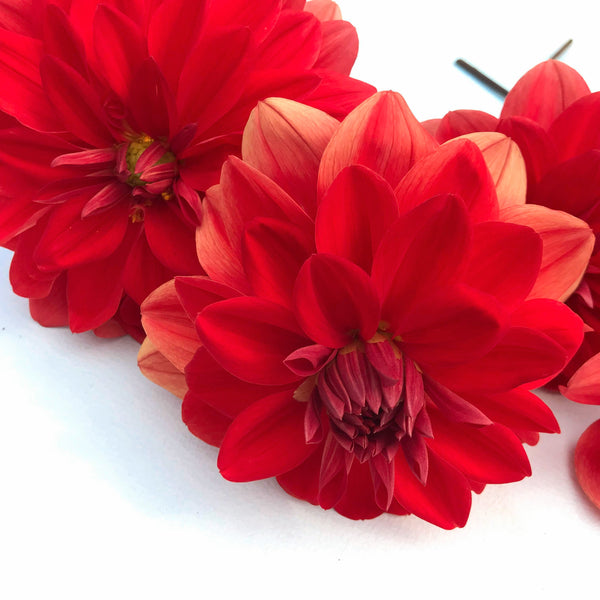
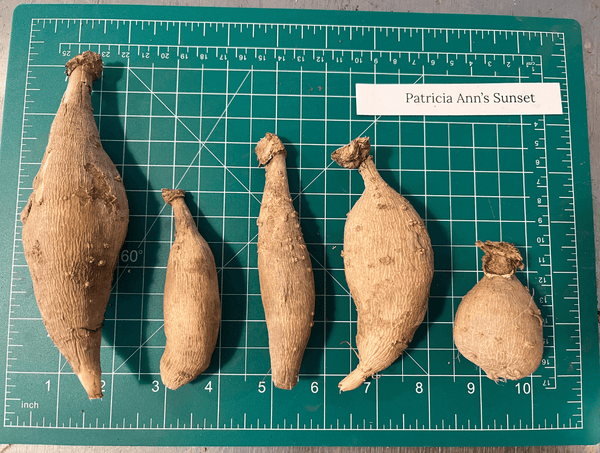
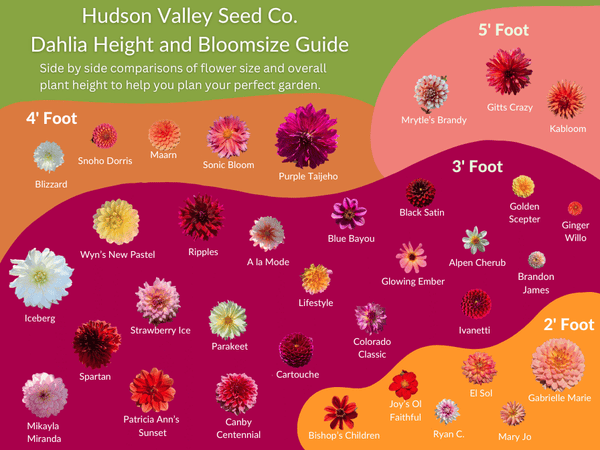
Patricia Ann's Sunset Dahlia Tuber
A waterlily type dahlia with double flowers that transition...
from $7.49
$9.99
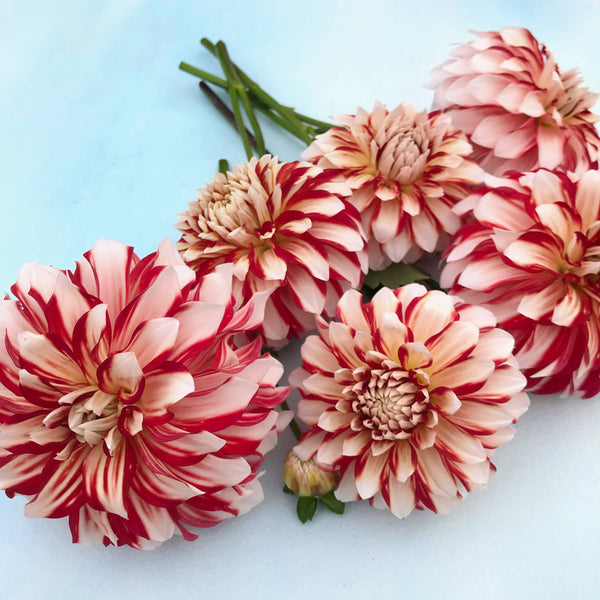
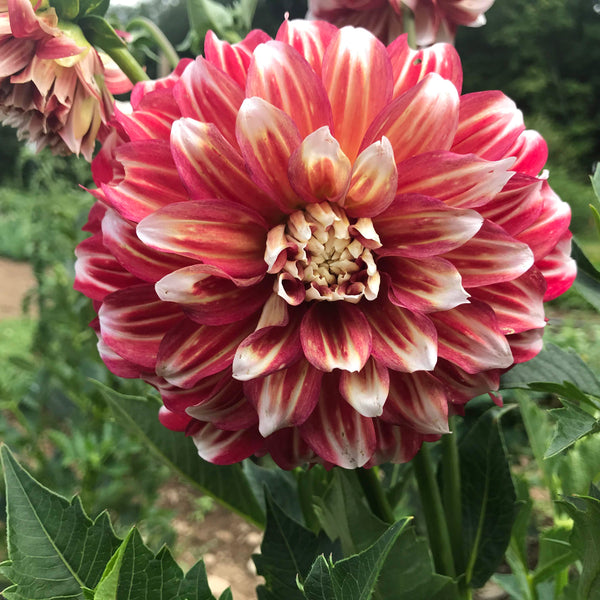
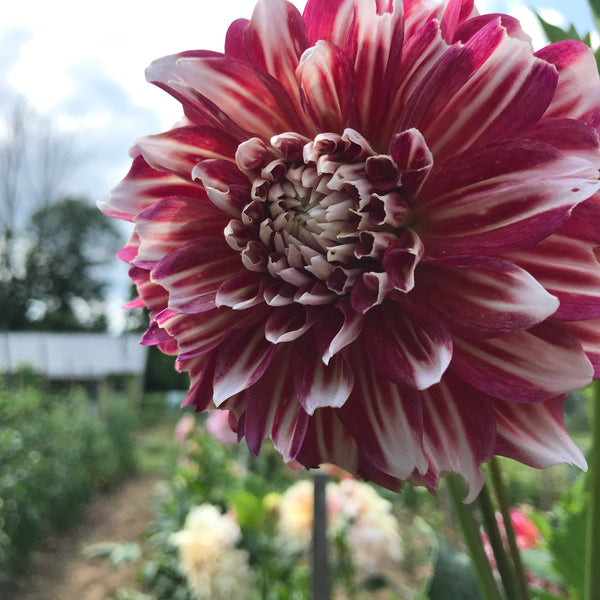
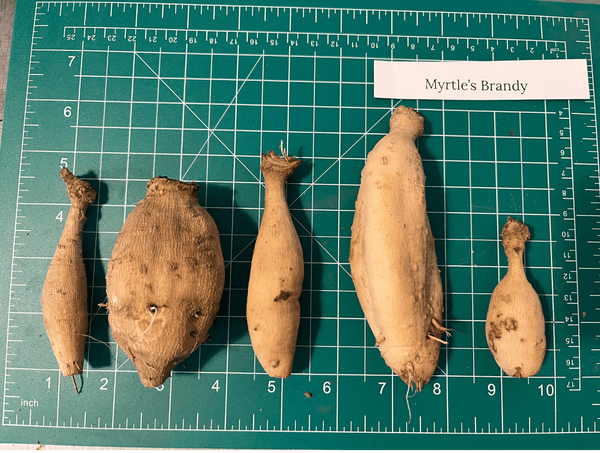
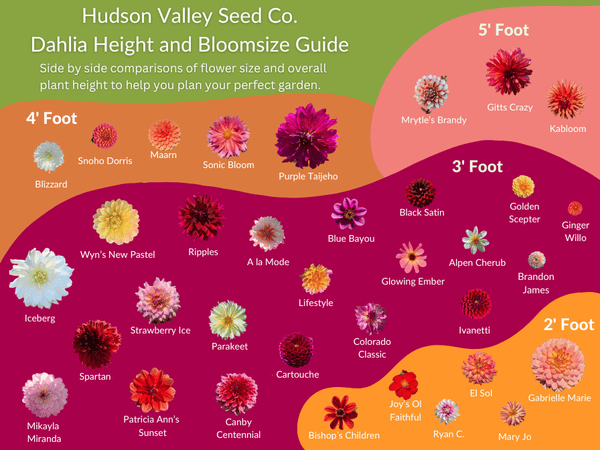
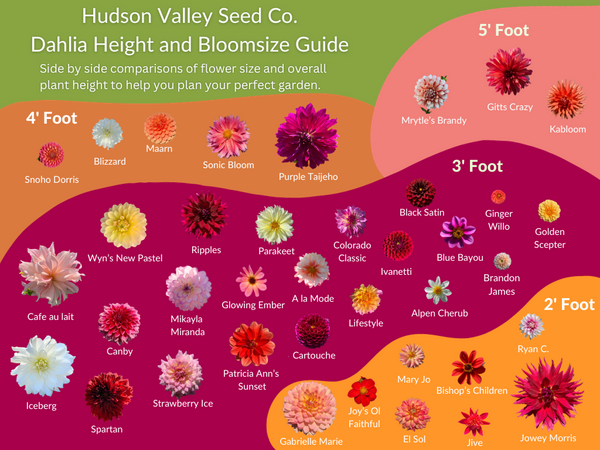
Myrtle's Brandy Dahlia Tuber
A decorative (formal type) dahlia with bright red blooms...
from $8.24
$10.99
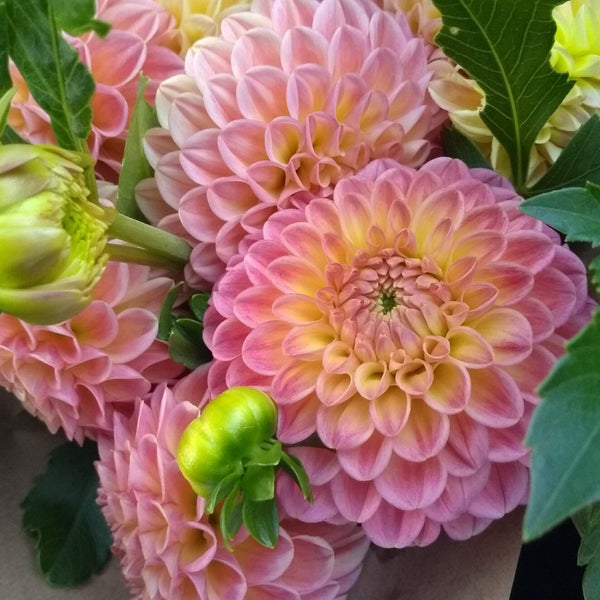
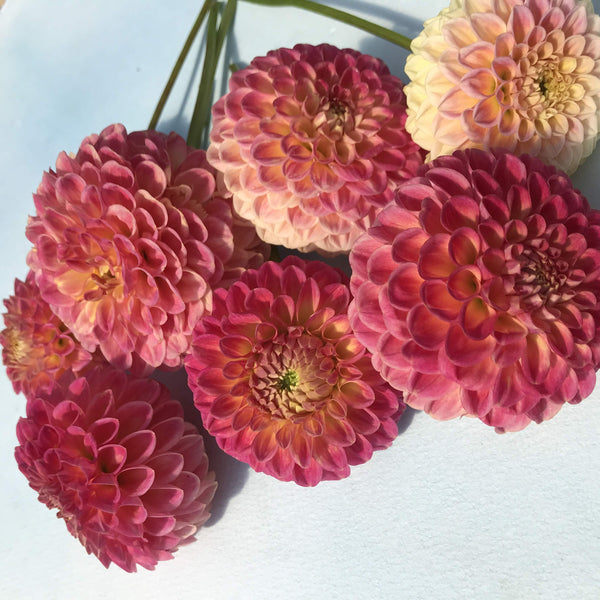
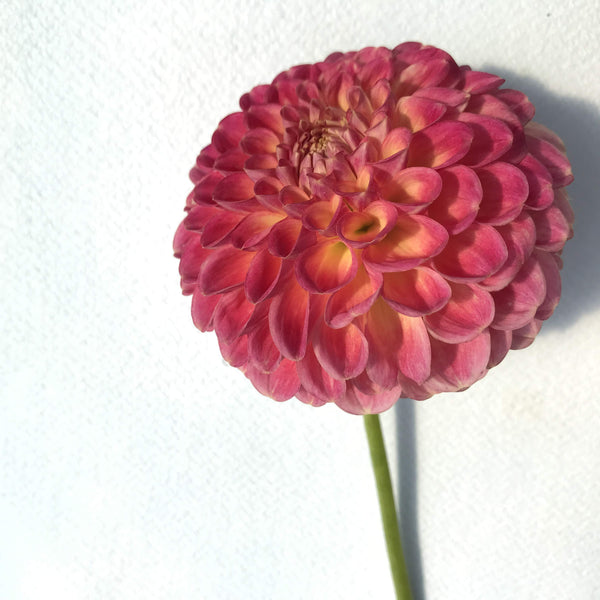
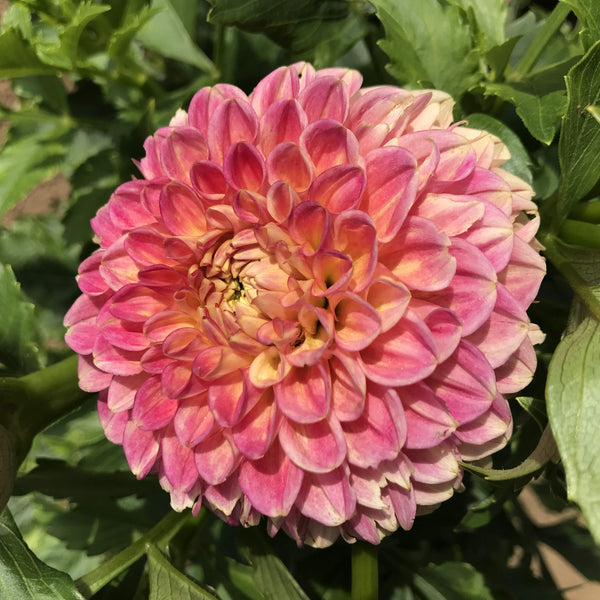
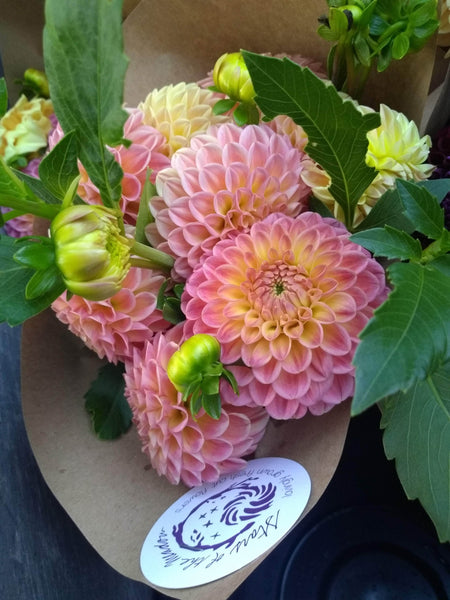
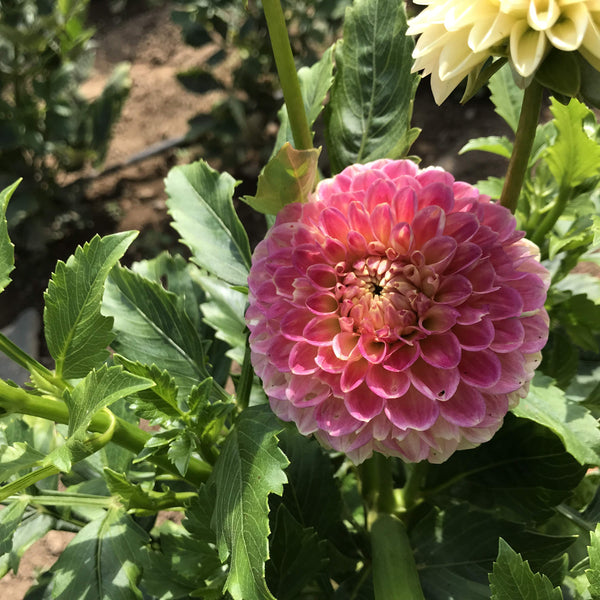
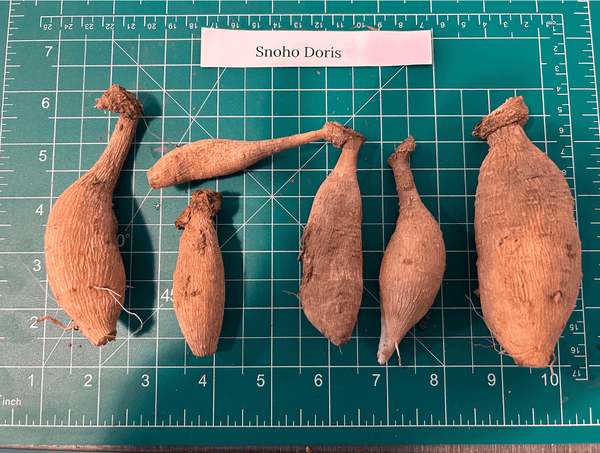
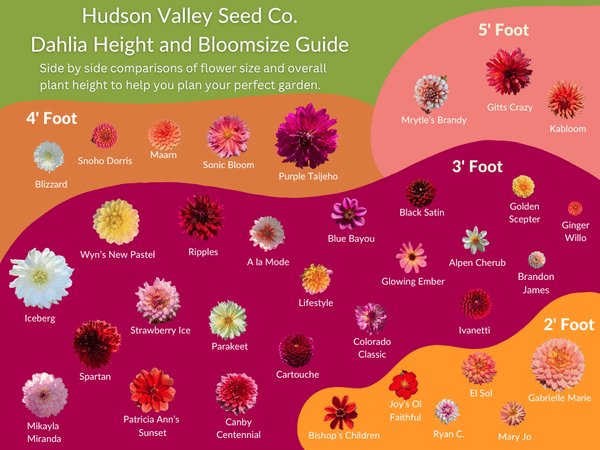
Snoho Doris Dahlia Tuber
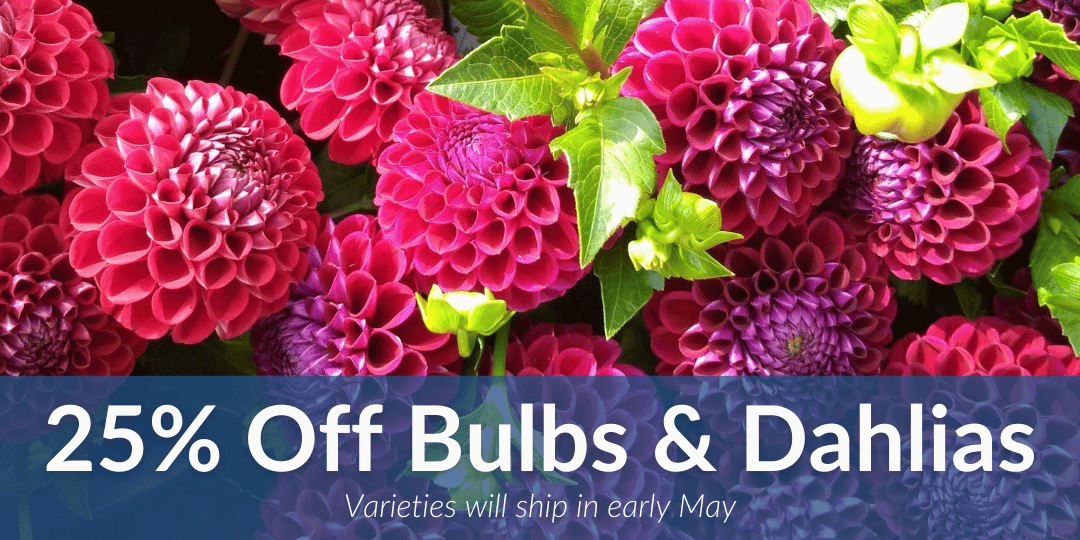
A ball-type dahlia that embodies the roundness and color...
from $6.74
$8.99
Recent Highlights from our Blog
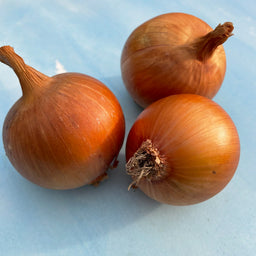
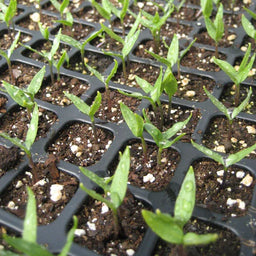
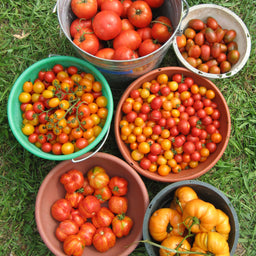
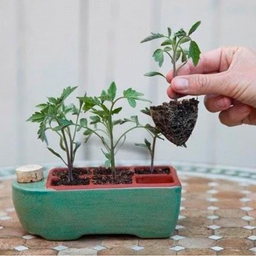
Garden Grow-How: Starting Tomato And Pepper Seeds
Tomatoes and peppers, some of your favorite heat-loving midsummer crops.
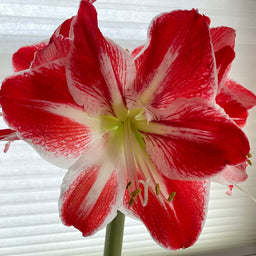
November Gardening Checklist
Embrace the coming winter—but tackle these final garden tasks of the...
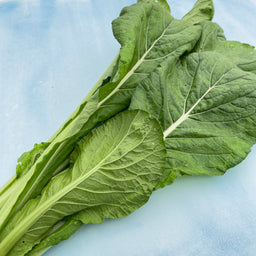
A Gardening Checklist for September 2023
Bounty and demise intermingle—and there is still more sowing to...
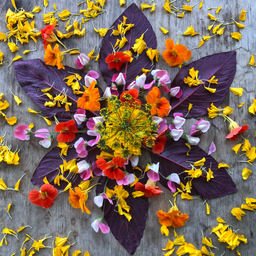
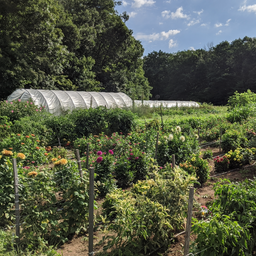
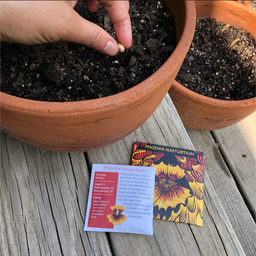
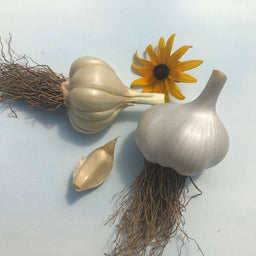
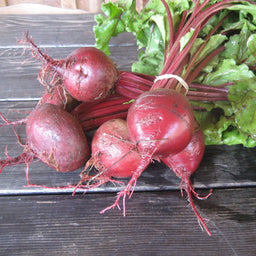
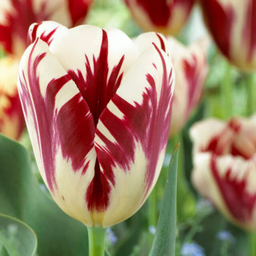
Seasonal Bloom Times for Fall-Planted Bulbs
Achieve non-stop blooms next season with our guide to fall-planted...

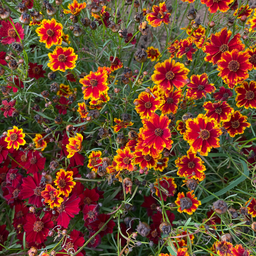
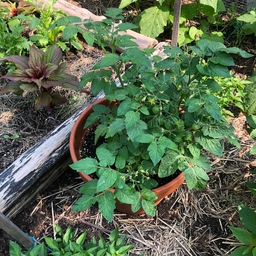
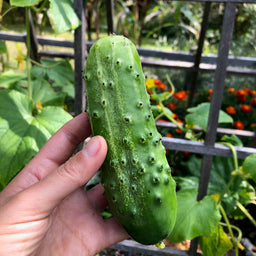
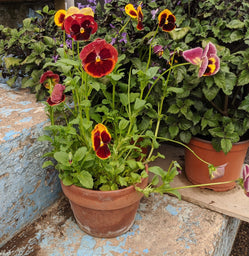
Vertical Gardening - Plants for Trellising
Trellis these varieties for healthier plants with bigger yields.
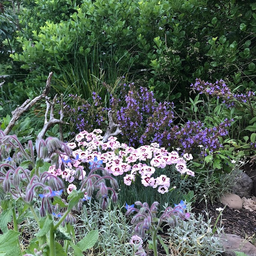


Garden Themes to Make Garden Planning Easy
Take inspiration from these 10 garden themes to create your...
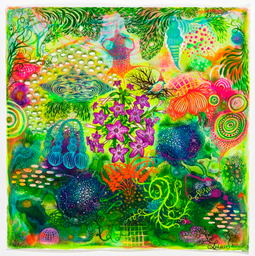
Pack Art Backstory: Purple Perfume Nicotiana
Join us for a discussion with painter and installation artist...